
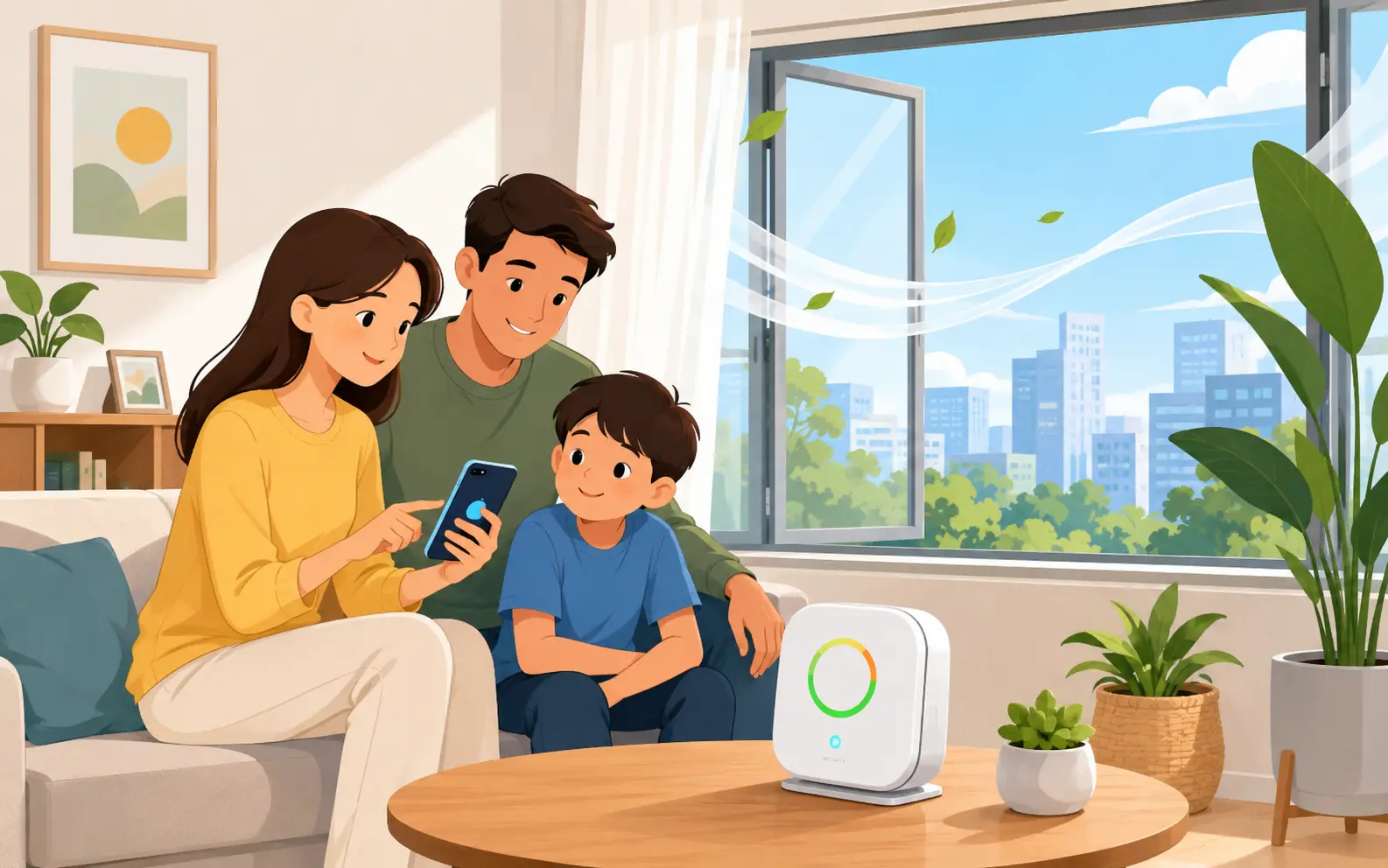
Introduction to Air Quality Awareness
Let’s be honest—most of us don’t think about the air we breathe… until something feels off. But once you begin AQI tracking, it’s like putting on a new pair of glasses—you suddenly see what was always there but never noticed.
Why Air Quality Matters More Than Ever
Air isn’t just “there.” It directly impacts your lungs, heart, sleep, and even your mood. Invisible pollutants can quietly affect your health long before symptoms show up. That’s why understanding air quality has gone from optional to essential.
The Rise of Personal AQI Tracking
With affordable sensors and mobile apps, tracking air quality daily is becoming as common as checking the weather. People are no longer guessing—they’re measuring.
Understanding AQI Tracking
What is AQI?
AQI, or Air Quality Index, is a simple number that tells you how clean or polluted your air is. The higher the number, the worse the air quality—and the greater the health risk.
How AQI is Calculated
AQI considers pollutants like PM2.5, PM10, carbon monoxide, sulfur dioxide, and ozone. These are combined into a single score that’s easy to understand.
Tools and Devices for AQI Tracking
From smartphone apps to smart indoor monitors, tracking tools are everywhere. Some even give real-time updates and suggestions—like whether you should step outside or stay in.
The First Week of Tracking Air Quality
Initial Observations
When you first start tracking, expect surprises. You might notice that mornings feel fresher, while evenings show spikes in pollution.
Common Surprises
- Indoor air can sometimes be worse than outdoor air
- Cooking and cleaning can raise pollution levels
- Traffic-heavy hours show noticeable AQI spikes
It’s like discovering your home has “invisible weather.”
Benefits of Air Quality Monitoring
Health Improvements
One of the biggest benefits of air quality monitoring is how quickly it impacts your health decisions.
Respiratory Benefits
If you suffer from allergies or asthma, tracking AQI helps you avoid triggers. Fewer flare-ups, fewer medications—it’s a win.
Better Sleep Quality
Cleaner air at night often leads to deeper, uninterrupted sleep. Think of it as upgrading your body’s nightly recharge system.
Increased Awareness and Behavior Change
Once you see the numbers, you can’t ignore them. You begin to connect your daily habits with air quality changes.
How AQI Tracking Changes Daily Habits
Outdoor Activities Planning
Planning a jog? A quick AQI check can tell you if it’s a good idea—or a risky one. Many people shift workouts to cleaner-air hours.
Indoor Air Management
Your home becomes your safe zone—but only if you manage it right.
Ventilation Strategies
Opening windows at the right time can improve indoor air dramatically. Timing matters more than you think.
Use of Air Purifiers
Air purifiers become less of a luxury and more of a necessity once you understand your indoor air quality.
Impact on Productivity and Lifestyle
Work Efficiency
Cleaner air equals better focus. It’s like clearing mental fog you didn’t even realize you had.
Mental Clarity
Polluted air can make you feel sluggish. Cleaner air? Sharper thinking, better decisions, improved mood.
Long-Term Effects of Daily AQI Tracking
Building Healthy Routines
Over time, AQI tracking becomes second nature. You develop habits like:
- Checking AQI before stepping out
- Running purifiers at peak hours
- Avoiding high-pollution zones
Preventive Healthcare Benefits
Instead of reacting to illness, you start preventing it. That’s a powerful shift.
Air Quality Tracking for Families
Protecting Children
Kids are more vulnerable to polluted air. Tracking AQI helps parents make safer decisions—like when to let kids play outside.
Supporting Elderly Health
Older adults benefit from cleaner air, especially those with heart or lung conditions.
Common Challenges in AQI Tracking
Data Overload
Too much data can feel overwhelming at first. Numbers, charts, alerts—it’s a lot.
Misinterpretation of AQI
Not all “moderate” readings are safe for everyone. Understanding context is key.
Tips to Make the Most of AQI Tracking
Setting Alerts
Use apps that notify you when air quality drops. It’s like having a personal air-quality assistant.
Combining Data with Action
Tracking alone isn’t enough. The real value comes from acting on the data—adjusting routines, improving indoor air, and making informed choices.
The Future of Air Quality Monitoring
Smart Homes and IoT Integration
Air quality monitoring is becoming part of smart homes. Imagine your purifier turning on automatically when AQI rises.
Global Awareness and Trends
Around the world, people are realizing that clean air isn’t a luxury—it’s a necessity. Awareness is growing, and technology is making it easier to act.
Conclusion
So, what really happens when you start tracking your air quality daily?
You become aware. Then proactive. Then healthier.
It starts with curiosity—checking a number. But over time, it transforms your lifestyle. You make smarter decisions, protect your health, and create a safer environment for yourself and your loved ones.
In a world where air quality can change quickly, AQI tracking gives you control. And honestly, once you start, there’s no going back.
FAQs
1. What is AQI tracking?
Ans – AQI tracking is the process of monitoring air quality levels daily using apps or devices to understand pollution exposure.
2. What are the benefits of air quality monitoring?
Ans – It helps improve health, prevent respiratory issues, and make informed lifestyle decisions.
3. Can indoor air be worse than outdoor air?
Ans – Yes, indoor air can sometimes be more polluted due to poor ventilation and household activities.
4. How often should I check AQI?
Ans – Ideally, check it daily—especially before outdoor activities.
5. Does AQI tracking really improve health?
Ans – Yes, it helps you avoid polluted environments and reduces health risks over time.
6. Are air purifiers necessary?
Ans – In areas with frequent pollution, air purifiers significantly improve indoor air quality.
7. Is AQI tracking useful for children?
Ans – Absolutely. It helps protect children from harmful exposure during critical growth years.
8. What is a safe AQI level?
Ans – Generally, AQI below 50 is considered good and safe for most people.