
Introduction to Air Quality Awareness
Let’s be honest—air is something we rarely think about… until it becomes a problem. But today, with increasing pollution levels and changing lifestyles, air quality is no longer just an environmental issue. It’s a personal one.
The future of air quality monitoring is transforming how we live, breathe, and make decisions daily. With technology stepping in, we’re moving toward a smart environment where data isn’t just collected—it’s used to protect us.
Why Air Quality Matters More Than Ever
Have you ever stepped outside and felt the air was “heavy”? That’s not your imagination. Poor air quality can affect your lungs, heart, and even your mood. Long-term exposure? That’s where things get serious.
From respiratory diseases to reduced productivity, the impact is massive—and global.
The Rise of a Smart Environment
We’re entering an era where everything around us is becoming intelligent—our homes, our devices, even the air we breathe is being tracked. A smart environment means using data and technology to create healthier, safer living conditions.
Understanding Air Pollution
Before we dive deeper, let’s break it down.
What Is Air Quality Index (AQI)?
AQI is like a report card for the air. It tells you how clean or polluted the air is—and what that means for your health.
Key Pollutants That Impact Health
PM2.5 and PM10
Tiny particles that sneak into your lungs and bloodstream.
Carbon Monoxide (CO)
A silent killer—odorless and dangerous in high concentrations.
Nitrogen Dioxide (NO₂)
Common in traffic-heavy areas, affecting respiratory health.
The Evolution of Air Quality Monitoring
Traditional Monitoring Methods
Earlier, air quality monitoring was limited to a few stations, often far apart. Data was delayed, and insights? Even slower.
Shift Toward Data-Driven Technologies
Now, sensors are everywhere—from street poles to smartphones. Data is collected continuously, offering real-time insights.
Future of Air Quality Monitoring
Here’s where things get exciting.
Role of IoT in Air Monitoring
Imagine sensors connected across cities, sharing data instantly. That’s IoT (Internet of Things) in action.
It allows:
- Real-time monitoring
- Hyper-local data
- Instant alerts
AI and Predictive Analytics
AI doesn’t just show what’s happening—it predicts what will happen.
Think of it like weather forecasting, but for air quality.
Real-Time Data and Decision Making
With real-time data:
- You can decide when to go for a run
- Schools can adjust outdoor activities
- Businesses can optimize operations
Smart Environment and Urban Living
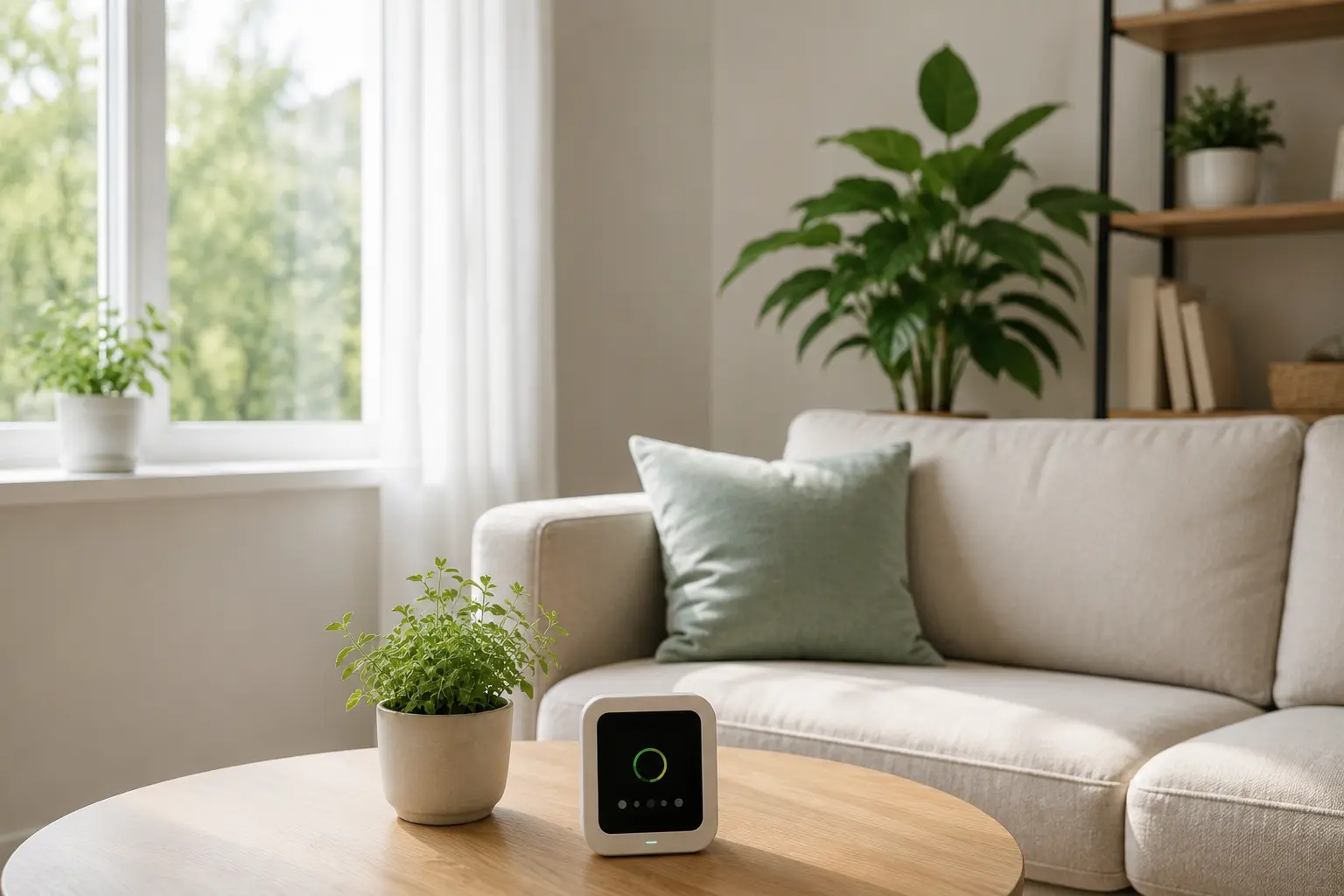
Smart Homes and Indoor Air Quality
Your home is your safe space—but is the air inside really clean?
Smart air purifiers and monitors now:
- Detect pollutants instantly
- Adjust filtration automatically
- Sync with mobile apps
Smart Cities and Sustainable Living
Cities are becoming smarter by integrating:
- Air quality sensors
- Traffic management systems
- Green infrastructure
The goal? Cleaner air, healthier lives.
Benefits of Data-Driven Awareness
Health Benefits
Knowledge is power. When you know the air quality:
- You can avoid high-risk exposure
- Protect vulnerable family members
- Improve overall well-being
Environmental Impact
Data helps governments and organizations:
- Identify pollution sources
- Implement targeted solutions
- Track progress over time
Challenges in Air Quality Monitoring
Let’s not sugarcoat it—there are hurdles.
Data Accuracy Issues
Not all sensors are created equal. Some may provide inconsistent data.
Accessibility and Awareness Gaps
In many regions, people still lack access to reliable air quality information.
Role of Individuals and Communities
Everyday Actions for Cleaner Air
Small steps can make a big difference:
- Use public transport
- Reduce energy consumption
- Support eco-friendly products
Community-Driven Initiatives
Communities can:
- Set up local monitoring systems
- Raise awareness
- Advocate for cleaner policies
Technology Trends to Watch
Wearable Air Quality Devices
Yes, even your smartwatch could soon warn you about pollution levels.
Integration with Smart Ecosystems
Air quality data will integrate with:
- Smart homes
- Health apps
- Urban planning systems
Government and Policy Role
Regulations and Standards
Stronger policies are essential to control emissions and protect public health.
Global Collaboration for Clean Air
Air doesn’t respect borders. Collaboration across countries is key to tackling pollution effectively.
Conclusion
The way we live is changing—and so is the way we think about air. The future of air quality monitoring is not just about technology; it’s about awareness, action, and accountability.
In a smart environment, data becomes our ally. It helps us make better choices, protects our health, and drives meaningful change.
So the next time you check the weather, maybe check the air too. Because the future of living isn’t just smart—it’s breathable.
FAQs
1. What is the future of air quality monitoring?
Ans – It involves using IoT, AI, and real-time data to track and predict air pollution levels more accurately.
2. How does a smart environment improve air quality?
Ans – It uses connected devices and systems to monitor, control, and reduce pollution efficiently.
3. Why is real-time air quality data important?
Ans – It helps individuals and authorities make immediate decisions to reduce exposure and risks.
4. Can indoor air be more polluted than outdoor air?
Ans – Yes, due to poor ventilation and indoor pollutants like chemicals and dust.
5. What are the main pollutants affecting air quality?
Ans – PM2.5, PM10, carbon monoxide, and nitrogen dioxide are major contributors.
6. How can individuals contribute to better air quality?
Ans – By reducing emissions, conserving energy, and supporting sustainable practices.
7. Are wearable air quality devices reliable?
Ans – Many modern devices provide accurate data, but quality varies by brand and technology.
8. What role does AI play in air quality monitoring?
Ans – AI helps analyze data, predict trends, and provide actionable insights.